

Introduction to Decentralized Identity
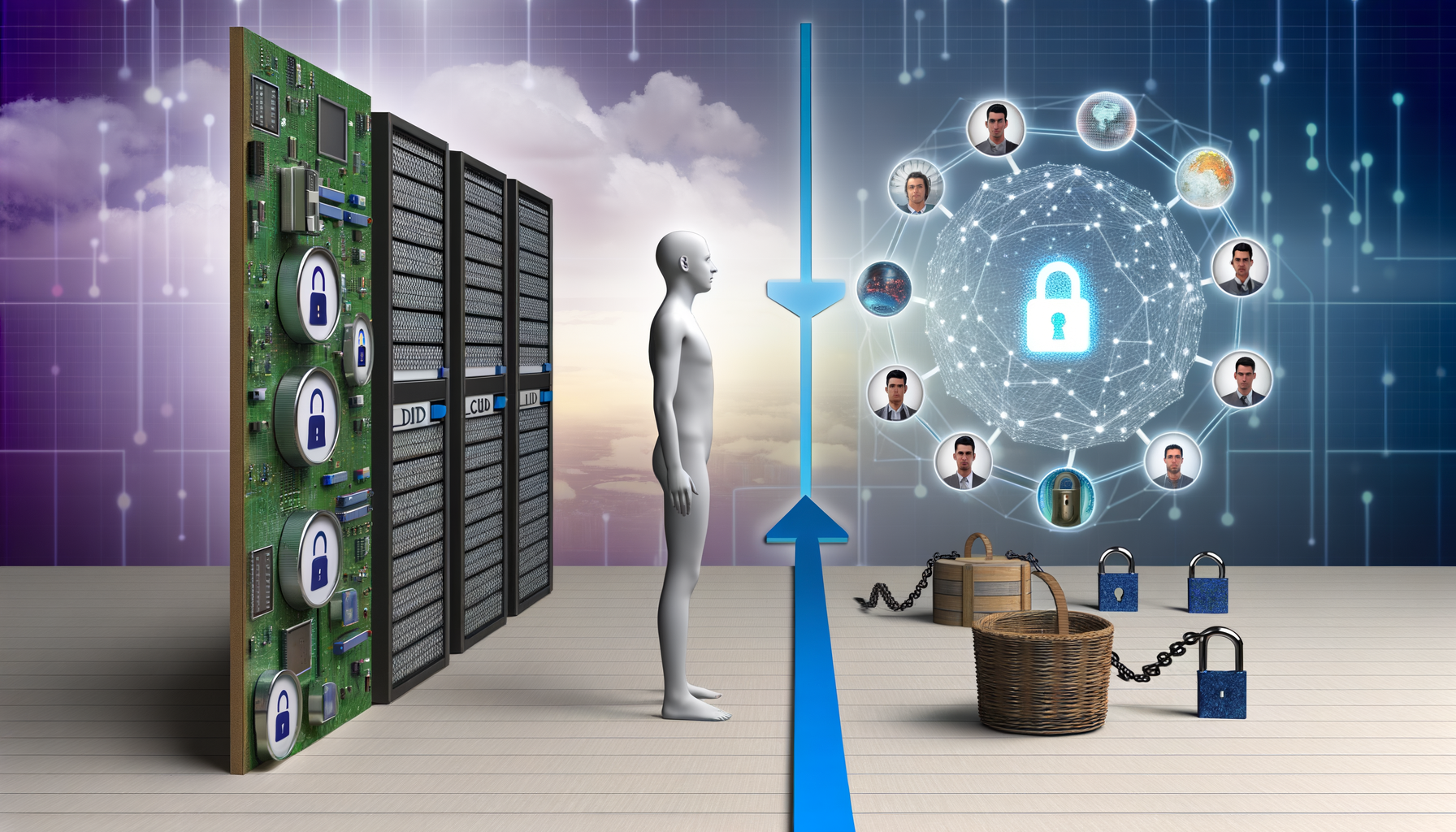
Decentralized identity is a concept that helps users take control of their personal information by shifting away from centralized identity systems. Traditional identity systems often involve storing personal data with a single organization or platform. In contrast, decentralized identity leverages blockchain technology and other distributed systems to allow users to maintain their own personal data.
Benefits and Opportunities
One of the key benefits of decentralized identity is improved privacy and security. With decentralized systems, there is no single point of failure, reducing the risk of large-scale data breaches. Users can choose who they share their information with and can retract or modify permissions easily, leading to greater user autonomy.
Decentralized Identifiers and Verifiable Credentials
Decentralized identity uses decentralized identifiers (DIDs) and verifiable credentials to enable secure and verifiable digital interactions. DIDs are globally unique identifiers that do not require a central registry. They are an essential component in building a user-controlled identity system. Verifiable credentials enable users to share evidence or attributes about themselves in a trustworthy and verifiable manner.
Application and Real-world Use Cases
From securing personal data in healthcare to enhancing digital transactions, decentralized identity offers broad applications. In healthcare, it can ensure that sensitive personal health information is securely managed between providers and patients. In e-commerce, it can facilitate trusted transactions without needing to store sensitive information centrally.
Challenges and Considerations
There are several challenges in implementing decentralized identity systems, such as interoperability between existing systems and new decentralized models. Moreover, regulatory compliance, user experience, and scalability are considerations that need addressing for widespread adoption.
Conclusion: The Future of Identity Management
Decentralized identity represents a shift towards more user-centric identity management. As technology evolves, this model holds promise for enhancing privacy, security, and user control over personal data. Though challenges exist, ongoing developments in standards and technology will likely drive the adoption of decentralized identity solutions, transforming how personal information is managed and secured.
View the original article here: https://nordicapis.com/what-is-decentralized-identity/