
Understanding API Drift
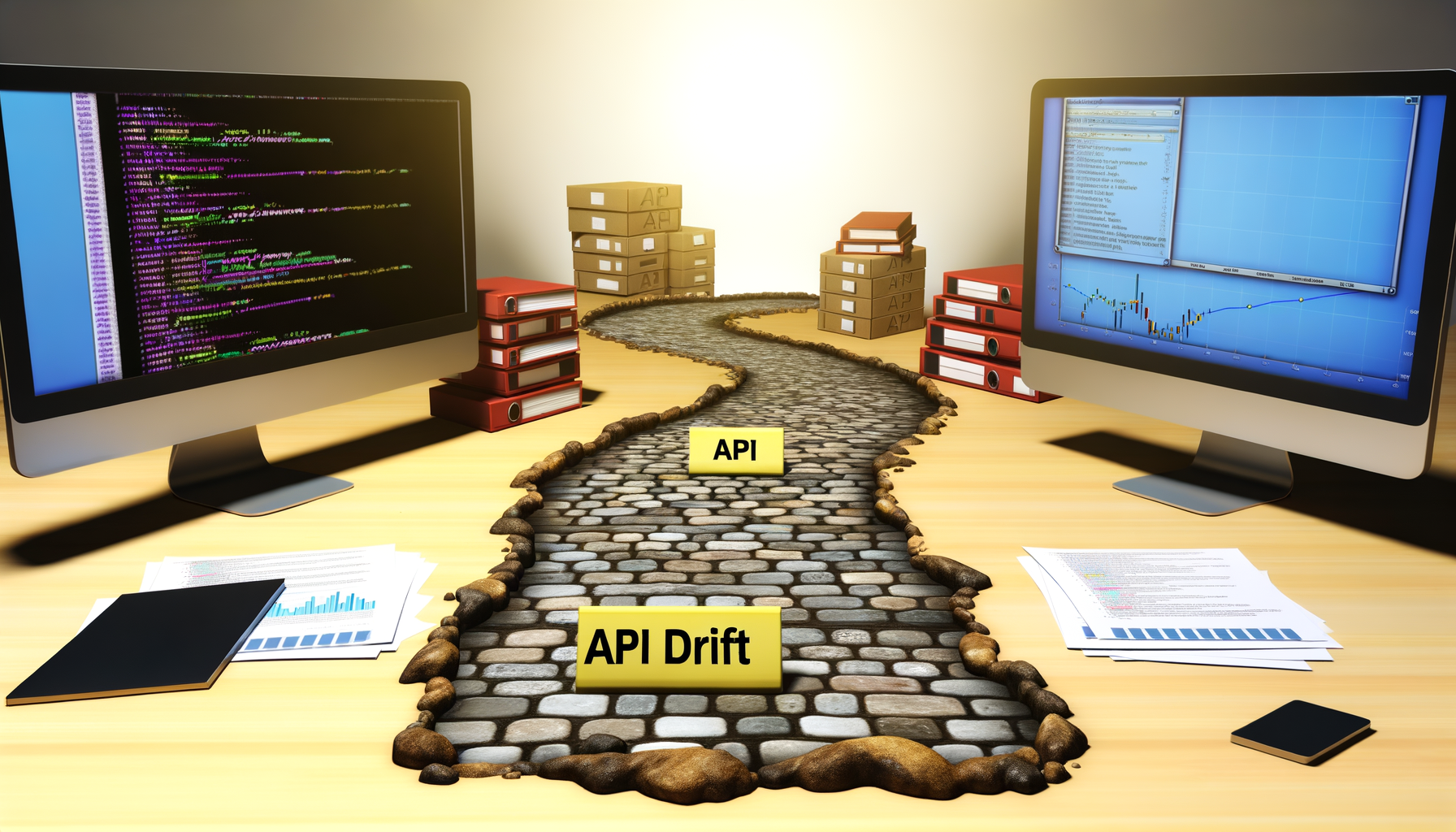
API drift refers to the incremental changes that occur in an API over time, leading to inconsistencies between its documentation and actual behavior. These deviations can be unintentional and arise from ongoing updates and modifications to the API without corresponding updates to the documentation.
Causes of API Drift
There are several common causes of API drift. These include the natural evolution of the system, bug fixes, feature improvements, and miscommunication among development teams. As the API’s environment and requirements change, the API and its documentation can slowly diverge.
Impacts on Development
API drift can significantly impact development processes. Developers relying on outdated or inaccurate documentation may encounter unexpected issues, leading to increased debugging time and slower development cycles. This can result in a loss of trust and credibility for the API provider.
Mitigating API Drift
To mitigate API drift, maintaining thorough and up-to-date documentation is crucial. Automated tools can help by monitoring API behavior and generating reports on any discrepancies. Additionally, implementing strict version control and ensuring regular communication between teams can reduce the incidence of drift.
Best Practices for API Management
Adhering to best practices in API management can help prevent drift. This includes adopting continuous integration and deployment strategies, setting clear API lifecycle policies, and ensuring comprehensive testing procedures are in place.
Conclusion
In conclusion, API drift is a common issue that can have significant implications for both API providers and consumers. By understanding its causes and effects, and by implementing strategies to prevent and manage it, organizations can maintain API quality and consistency, fostering a more reliable API ecosystem.
View the original article here: https://nordicapis.com/what-is-api-drift-and-what-can-you-do-about-it/